Upper Back Pain Clinic

The Human Garage can fix the causes, symptoms, and treat Upper Back Pain

How The Human Garage Can Help: Back Treatment Diagnosis, and Pain Relief

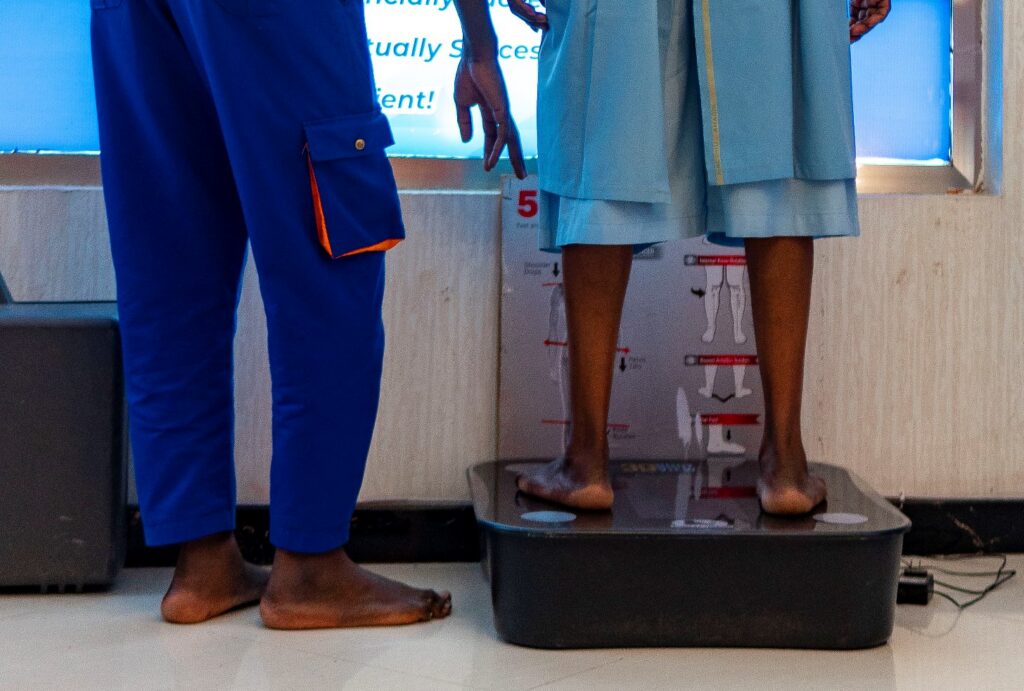
Accurate Diagnosis

We take the time needed for a thorough examination to find the underlying cause of your pain.

Targeted Manual Therapy

The Human Garage Providers use hands-on manual therapy to treat your specific ankle injury to reduce pain, increase mobility, and accelerate healing.

Non Invasive

No surgery, injections, or prescription medication.

Shorter Recovery Time

Shorter Recovery Time Patients have shorter recovery time with an average of 3.2 visits over 2 weeks.

Over 1.8+ Million
injuries treated!

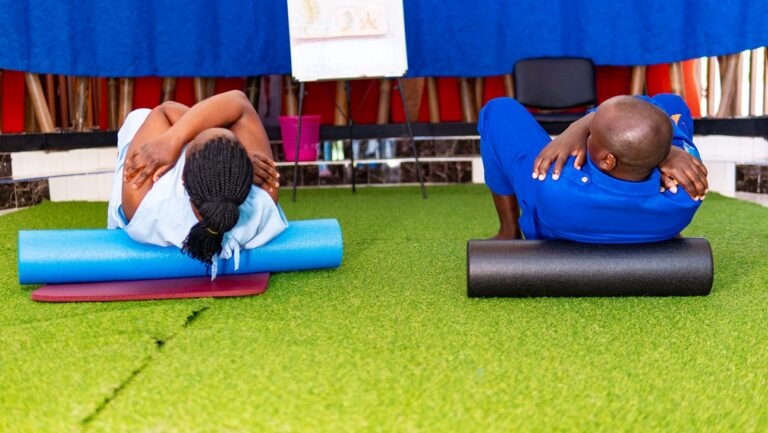
Personalized Recovery Exercises

Speed your recovery and keep your pain from returning.

The Benefits of Back Pain Treatment
with The Human Garage

  • Multiple convenient locations means no long waits to schedule your appointment
  • Reduces or eliminates the need for pain medications
  • Return to pain-free exercise and your favorite activities
  • Most insurance plans are accepted

Pain is NOT a lifestyle

Back pain can stem from several causes, such as an injury, health condition, or lifestyle factors, and develop into a chronic condition over time, lasting months or even years. Chronic back pain can cause long-term restrictions in your overall mobility and quality of life.
Still have questions or concerns about your back pain? Schedule a no-cost video chat with one of our Providers.

What Causes Upper Back Pain?

Upper back pain can have several causes, and therefore, present itself differently case by case. Common causes include:
  • Muscle Strains
  • Injury
  • Herniated Discs
  • Degenerative Diseases or
  • Conditions
  • Poor Posture
  • Spinal Stenosis
Other causes of upper back pain include Upper Cross Syndrome, a muscle imbalance leading to pain and muscle weakness, and scoliosis, an abnormal spinal curvature that can cause discomfort.

What Does Upper Back Pain Feel Like?

Symptoms of upper back pain depend on the type of injury or condition you may be experiencing.
Common symptoms of upper back pain include:
  • Aching or throbbing pain
  • Sharp or stabbing sensations
  • Muscle tightness and tension
  • Tingling or numbness that extends from your upper back to your shoulders and arms
  • Pain that radiates down your back, possibly indicating a pinched nerve

Middle Back Pain Symptoms & Causes

Not unsimilar from upper back pain, middle back pain shares many common symptoms, including:

  • Tightness or stiffness in the joints or muscles
  • Muscle aches
  • Sharp, aching pain

Pain in the middle of your back may share similar causes to upper or lower back pain, such as a muscle strain or sprain from poor form when working out or lifting objects, a direct injury from a fall or accident possibly, or a herniated disc. Other causes or factors can be poor posture, osteoarthritis, or aging.

You should always consult with a healthcare professional to determine the cause of back pain, regardless of its location.

Back Pain FAQS

Surgery is rarely necessary for an ankle sprain. Most sprains can be treated with conservative measures such as rest, physical therapy, The Human Garage care, and bracing. However, if there is a severe injury, such as a complete ligament tear or repeated ankle instability after conservative treatment, surgery may be considered. A healthcare provider can determine the best treatment based on the severity of the sprain and the patient’s recovery progress.

Yes, it is generally safe to take medications for ankle sprain pain. Over-the-counter pain relievers, such as ibuprofen or acetaminophen, can help reduce inflammation and manage discomfort. In more severe cases, a healthcare provider may recommend stronger medications. It’s important to follow your healthcare provider’s guidance when taking any medication, especially if you have other health conditions or are on additional medications.
Yes, there are several self-care techniques and exercises that can help with an ankle sprain. Initially, rest, ice, and elevation can help reduce swelling and pain. Once the pain subsides, gentle range-of-motion and strengthening exercises can help restore mobility and prevent future sprains. Examples include ankle circles, towel stretches, and resistance band exercises. Physical therapy may be recommended to guide recovery and prevent long-term instability.
Yes, it’s important to limit activity after an ankle sprain to allow the injury to heal. Avoid high-impact activity, especially during the early stages of recovery. Using a brace may help to provide support and can also help protect the ankle. Gradually returning to physical activities is recommended, starting with low-impact exercises like swimming or cycling. Rushing back to high-impact activities before the ankle is fully healed can increase the risk of re-injury. Always follow your healthcare provider’s advice on when it’s safe to resume full activity.

Related Topics:

Pain is NOT a Lifestyle

The Power that made the body, heals the body.