
 Call us now: +254 713 030 397 | Email Us: info@thehumangarage.com
Ankle Sprain/Ankle Strain Pain Clinic
The Human Garage clinic can fix the causes and symptoms with ankle pain treatment.
How The Human Garage Can Help: Ankle Pain Treatment, Diagnosis, and Relief
Accurate Diagnosis
We take the time needed for a thorough examination to find the underlying cause of your pain.
Targeted Manual Therapy
The Human Garage Providers use hands-on manual therapy to treat your specific ankle injury to reduce pain, increase mobility, and accelerate healing.
NonInvasive
No surgery, injections, or prescription medication.
Shorter Recovery Time
Patients have shorter recovery time with an average of 3.2 visits over 2 weeks.
Over 1.8+ Million
injuries treated!
Personalized Recovery Exercises
Speed your recovery and keep your pain from returning.
The Benefits of Ankle Pain Treatment with The Human Garage
- Multiple convenient locations means no long waits to schedule your appointment
- Reduces or eliminates the need for pain medications
- Return to pain-free exercise and your favorite activities
- Most insurance plans are accepted
Pain is NOT a Lifestyle
In this short video,one of our Docs gives a brief overview of the causes and symptoms of ankle sprains.
He then walks you through four easy exercises to help with ankle mobility and foot stability. If you’re experiencing pain related to an ankle sprain, don’t hesitate to contact The Human Garage. Our goal is to get you back on your feet and pain free as quickly as possible.
Still have questions or concerns about your ankle pain? Schedule a no-cost video chat with one of our Providers.
Still have questions or concerns about your ankle pain? Schedule a no-cost video chat with one of our Providers.
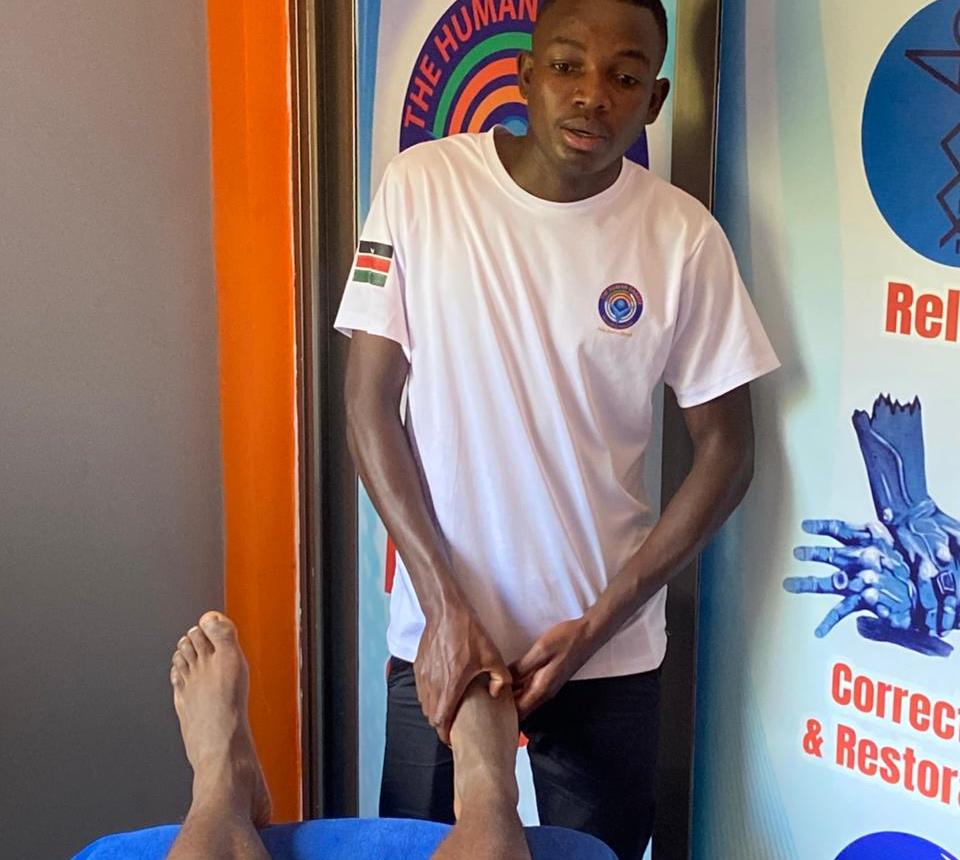
WHAT ARE ANKLE SPRAINS/ STRAINS?
Ankle sprains and strains are among the most common injuries, often causing pain, swelling, and difficulty walking. While both injuries involve overstretching or tearing of the soft tissues around the ankle joint, they affect different structures and have distinct symptoms
ANKLE SPRAIN
Occur when the ligaments, which connect the bones of the ankle, are overstretched or torn.
ANKLE STRAIN
Impact the muscles or tendons, which are the fibrous cords that connect muscles to bones.
What Are the Causes of Ankle Sprains/Strains?
Strained or sprained ankles are common injuries, often caused by sports, physical activities, or simply stepping on uneven surfaces. Most people experience a twisted ankle at some point, with pain and swelling being the most common signs of injury. A sprain affects the ankle ligaments, while a strain involves the muscles or tendons. These tissues protect the ankle by stabilizing bones and joints during movement.
Common causes include:
- High-impact sports, like basketball or jumping sports, where the ankle can twist or roll
- Walking, running, or exercising on uneven surfaces
Risk Factors:
- People with hindfoot varus (heels turned inward) are more prone to these injuries
- A history of severe sprains increases the likelihood of future ankle injuries
ANKLE SPRAIN SYMPTOMS
Ankle sprains typically occur when the ankle is rolled either inward or outward. An inversion sprain, where the ankle rolls inward, is the most common and causes pain along the outer side of the ankle.
In contrast, an eversion sprain happens when the ankle rolls outward, causing pain on the inner side. Eversion sprains may involve more serious injuries to the ligaments or tendons and should be evaluated by a doctor.
GRADES OF ANKLE SPRAINS:
Ankle sprains are categorized by severity:
GRADE 1 MILD:
- Ligaments are stretched but not torn
- Symptoms: Mild swelling, pain, joint stiffness, and difficulty jumping or walking
GRADE 2 MODERATE:
- Partial ligament tear
- Symptoms: Pain, bruising, noticeable swelling, difficulty walking, and reduced motion in the ankle joint
GRADE 3 SEVERE:
- Complete ligament tear
- Symptoms: Severe pain, significant swelling, loss of motion, and joint instability with difficulty bearing weight.
TYPES OF ANKLE INJURIES
Ankle sprains and strains are often hard to distinguish, as both can result from physical activity and cause similar symptoms. However, one key difference is that ankle strains tend to cause muscle spasms in the affected area, while ankle sprains typically lead to visible bruising. If left untreated, both injuries can lead to long-term issues that may impact your quality of life.
Sprains can sometimes be mistaken for fractures (broken bones), which require an x-ray for proper diagnosis. If you’re unable to bear weight or notice significant swelling or deformity, it’s crucial to seek medical care to promote healing and keep the blood flowing to the injured area.
What does a sprained ankle look like?
When a sprain occurs, blood vessels leak fluid into the surrounding tissue, causing swelling and ankle pain. The area becomes more sensitive, leading to throbbing pain when pressure is applied.
Increased blood flow results in warmth and redness, while a reduced range of motion and difficulty using the affected leg are common. In more severe sprains, you may be unable to bear weight on the foot and could hear a “pop” at the time of injury.
If You’re Suffering from an Injured Ankle, Don’t Wait.
Ankle Pain FAQS
Is surgery always necessary for an ankle sprain?
Surgery is rarely necessary for an ankle sprain. Most sprains can be treated with conservative measures such as rest, physical therapy, The Human Garage care, and bracing. However, if there is a severe injury, such as a complete ligament tear or repeated ankle instability after conservative treatment, surgery may be considered. A healthcare provider can determine the best treatment based on the severity of the sprain and the patient’s recovery progress.
Is it okay to take medications for ankle sprain pain?
Yes, it is generally safe to take medications for ankle sprain pain. Over-the-counter pain relievers, such as ibuprofen or acetaminophen, can help reduce inflammation and manage discomfort. In more severe cases, a healthcare provider may recommend stronger medications. It’s important to follow your healthcare provider’s guidance when taking any medication, especially if you have other health conditions or are on additional medications.
Are there self-care techniques and exercises that can help relieve ankle sprain pain?
Yes, there are several self-care techniques and exercises that can help with an ankle sprain. Initially, rest, ice, and elevation can help reduce swelling and pain. Once the pain subsides, gentle range-of-motion and strengthening exercises can help restore mobility and prevent future sprains. Examples include ankle circles, towel stretches, and resistance band exercises. Physical therapy may be recommended to guide recovery and prevent long-term instability.
Should I limit my activity if I have an ankle sprain?
Yes, it’s important to limit activity after an ankle sprain to allow the injury to heal. Avoid high-impact activity, especially during the early stages of recovery. Using a brace may help to provide support and can also help protect the ankle. Gradually returning to physical activities is recommended, starting with low-impact exercises like swimming or cycling. Rushing back to high-impact activities before the ankle is fully healed can increase the risk of re-injury. Always follow your healthcare provider’s advice on when it’s safe to resume full activity.
Trustindex verifies that the original source of the review is Google. Excellent services that bring great changePosted on GoogleTrustindex verifies that the original source of the review is Google. The Human Garage has been a family to me for the last 6months. I followed the recommended 12 Weeks 2 Wellness programme and I’ve seen great changes in my body . Totally recommend The Human Garage to you and your family. The Ice bath and barefoot walking 💯 #PainisnotalifestylePosted on GoogleTrustindex verifies that the original source of the review is Google. The ice bath was really great I will definitely come back againPosted on GoogleTrustindex verifies that the original source of the review is Google. The staff were kind and reliable They have good services and my body feels betterPosted on GoogleTrustindex verifies that the original source of the review is Google. An all round therapy at it's best. Body, Mind and Soul.Posted on GoogleTrustindex verifies that the original source of the review is Google. Wonderful experience. I love itPosted on GoogleTrustindex verifies that the original source of the review is Google. I came out new after the ice bathe,it's awesomePosted on GoogleTrustindex verifies that the original source of the review is Google. Visited Nairobi on a trip to Ghana and ended up visiting Dr. Hamasi’s wellness center. Dr and his team were very professional and thorough during the visit. No question went unanswered and every stage was explained in detail. I will be back - sorry I didn’t have more time to make another visit on this trip. Thanks for your service @ The Human Garage.Posted on Google
Related Topics:

Gym Strength vs Functional Strength: Why Both Matter for Real-Life Performance and Health
When most people think about strength, they immediately picture someone lifting heavy weights in a gym. While building muscle and increasing strength are important, true strength extends beyond what you can lift in a controlled.....

Venenatis Lectus Magna Fringilla Porttitor
Lorem ipsum dolor sit amet, consectetur adipiscing elit, sed do…

Massa Tincidunt Nunc Pulvinar Sapien Ullamcorper
Lorem ipsum dolor sit amet, consectetur adipiscing elit, sed do…